October 19, 2026
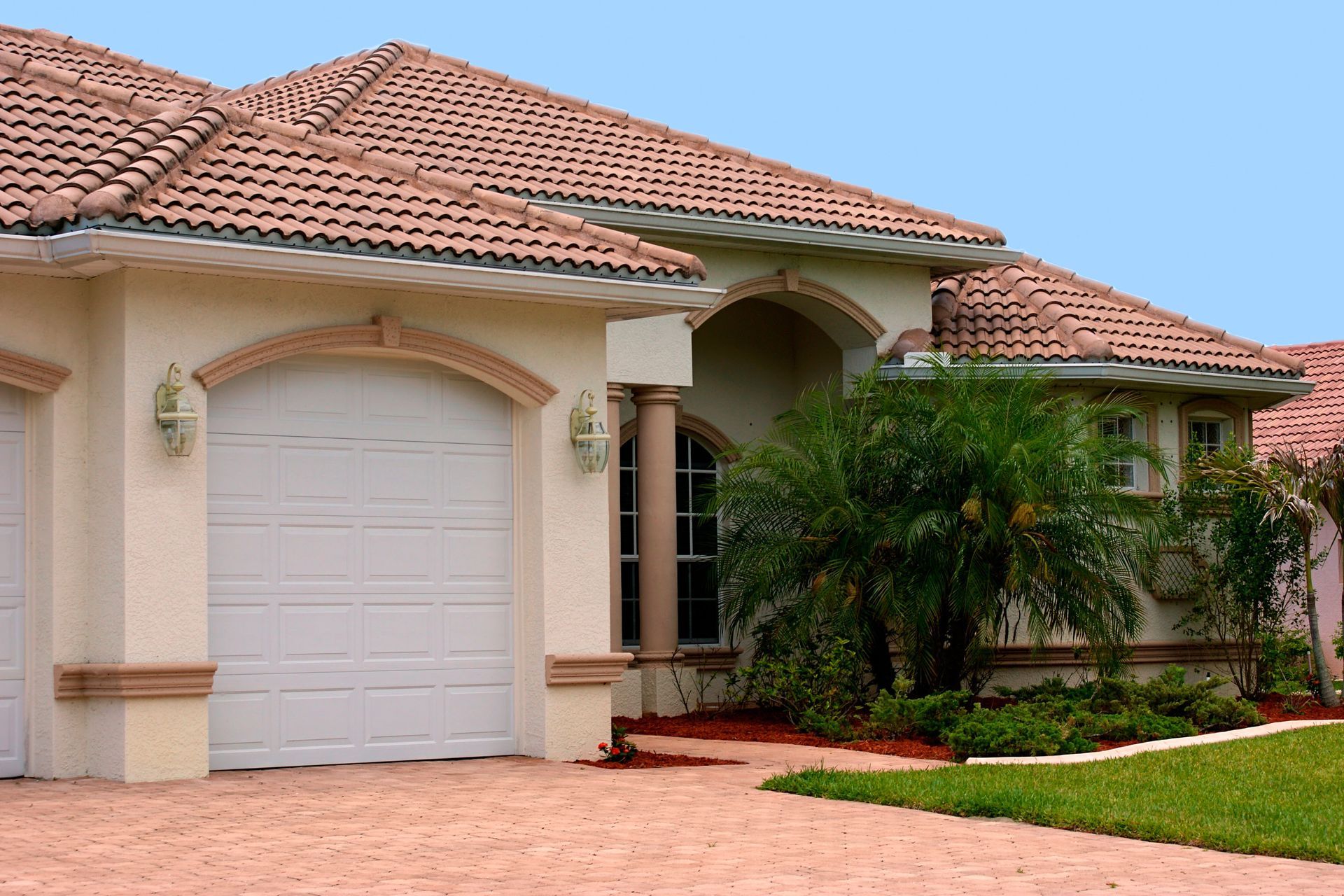
Stucco has long been celebrated across North America as an elegant, durable, and versatile exterior wall finish for modern residential properties. Industry market analyses show that the popularity of standard exterior plaster systems continues to experience substantial commercial expansion across diverse regions. In fact, according to Grandview Research, the United States stucco market is predicted to reach a projected revenue of $3,254.8 million by 2030. This sustained market growth highlights how many property owners rely on the material for aesthetic charm, energy performance, and long-term exterior durability.
Despite its widespread visual appeal and structural advantages, the material possesses a well-known vulnerability that constantly threatens overall building integrity. When water penetrates beneath the exterior finish without a reliable path of escape, the resulting structural deterioration can become catastrophic over time. Professional stucco contractors recognize that unmanaged water penetration stands as the single most destructive hazard facing modern wall assemblies. Preventing subsurface liquid accumulation requires a thorough understanding of modern building science and precision craftsmanship during every stage of installation. Without proper moisture barriers and integrated drainage cavities, even the most beautifully finished exterior wall can hide severe structural decay.
Understanding the Primary Causes of Water Entry
Water penetration rarely stems from a single isolated failure inside the exterior plaster layer itself. Instead, fluid leaks usually originate at vulnerable structural transition points such as window perimeters, roof intersections, kickout flashing, and door frames. When flashing components are improperly installed or missing entirely, heavy rainwater easily migrates behind the hard coat. Over time, seasonal freeze-thaw cycles create micro-cracks in the outer layer, which allows drive-by rainfall to seep directly into vulnerable wall cavities. Experienced stucco contractors carefully evaluate these critical transition areas during routine inspections to identify flashing defects before internal damage begins.
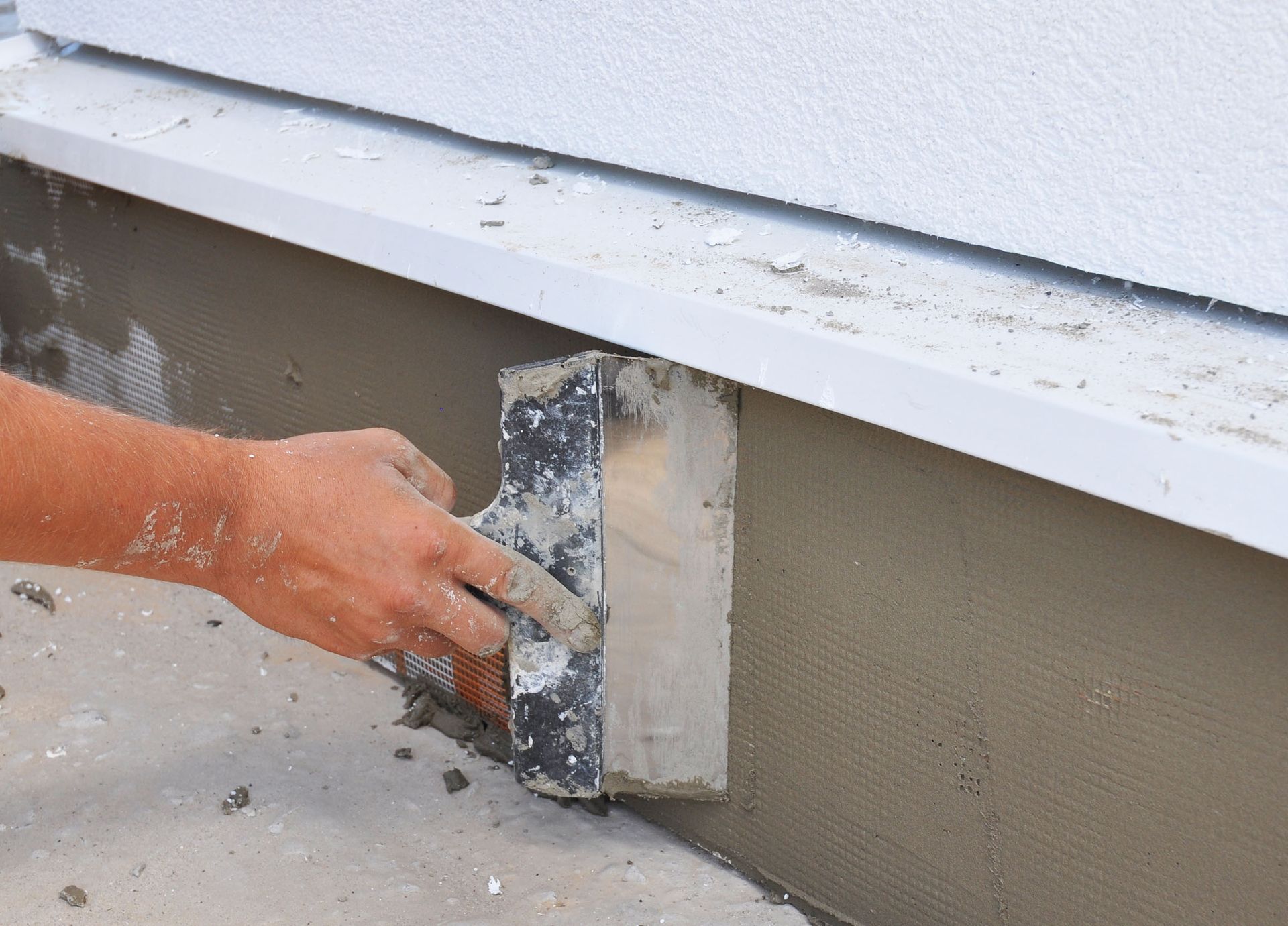
Another common factor involves inadequate drying clearance between the lower edge of the wall cladding and the surrounding landscape grade. When plaster cladding directly contacts organic soil or concrete walkways, liquid wicks upward through capillary action into the inner wood framing. Building codes require a minimum gap of two inches above paved surfaces and four inches above exposed earth to prevent continuous moisture absorption. Without this vital clearance, capillary suction continually draws subsurface dampness into interior wall studs and underlying shear panels. Skilled stucco contractors design specialized weep screed assemblies at the base of every wall to facilitate natural fluid drainage and prevent upward liquid movement.
Identifying the Structural Warnings of Trapped Moisture
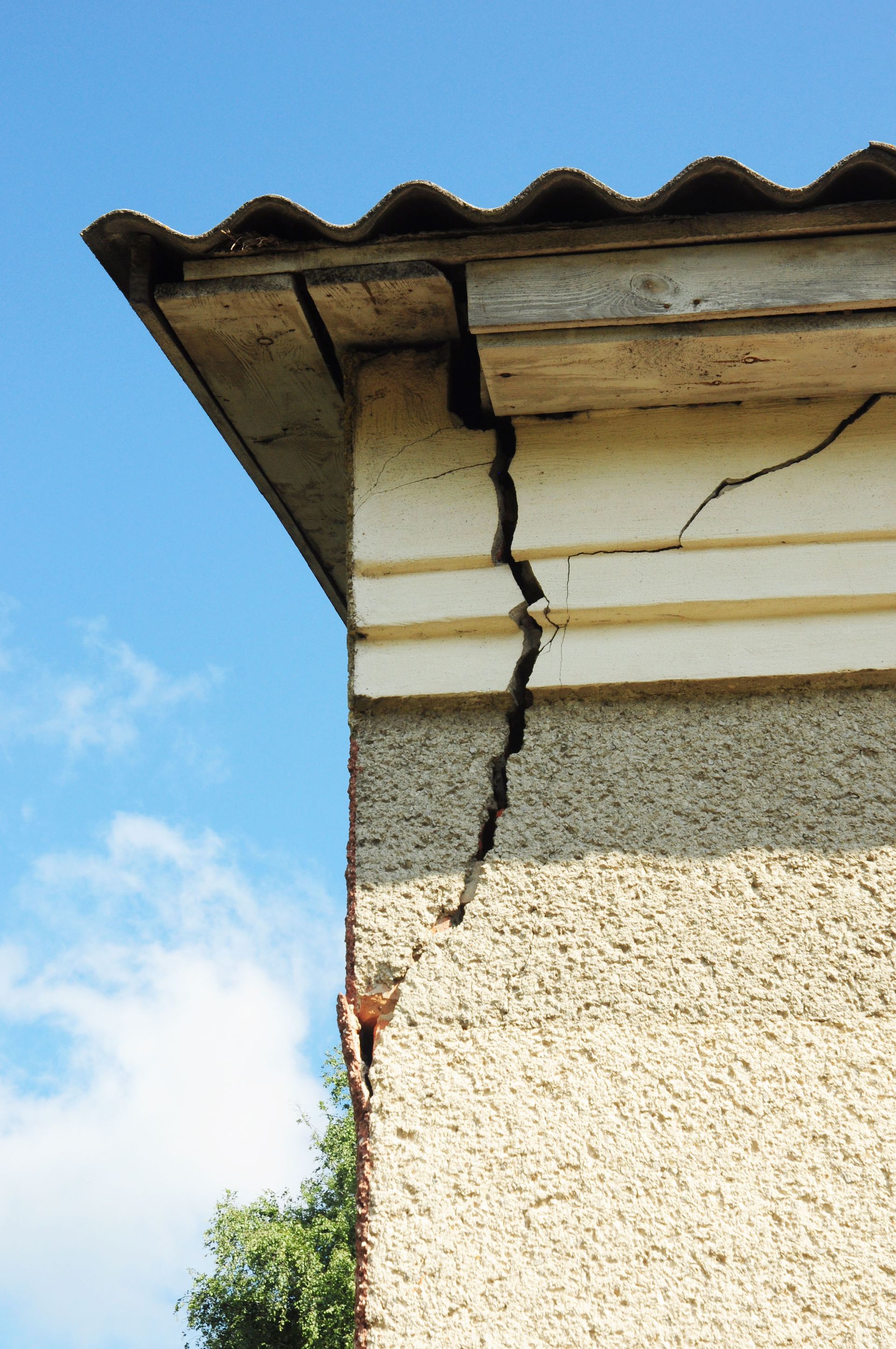
Detecting subsurface liquid accumulation can prove extremely difficult for property owners because initial damage occurs far out of sight. Early physical indicators often manifest as dark streaking, subtle discoloration, or white powdery efflorescence deposits along exterior wall surfaces. Indoors, homeowners might notice faint musty odors, peeling interior paint, or localized drywall softening near window frames. These subtle cosmetic red flags indicate that moisture has already bypassed the primary weather barrier and is saturating internal wall framing. Qualified stucco contractors utilize specialized non-invasive moisture meters and thermal imaging cameras to locate hidden pockets of saturation accurately.
If moisture accumulation remains unaddressed across several seasons, the internal structural consequences become significantly more severe. Sustained dampness inside sealed wall cavities creates an ideal breeding ground for toxic mold spores and wood-decaying fungi. As wood studs and plywood sheathing absorb liquid over extended periods, the structural framing softens and loses its load-bearing capacity. Specialized stucco contractors frequently encounter severe timber rot behind walls that appeared completely pristine from the outside. Timely remediation remains the only reliable method to prevent progressive structural deterioration and avoid astronomical rebuilding expenses.
In addition to structural timber rot, trapped moisture can cause severe corrosion of internal metal components. Wall ties, metal lath, wire mesh, and structural fasteners all degrade rapidly when exposed to continuous humidity inside the wall cavity. As metal fasteners rust, they lose their tensile strength and can fail, causing exterior wall sections to bulge or detach from the framing. This loss of mechanical connection poses a major safety hazard to building occupants and passersby alike. Replacing rusted metal lath and corroded fasteners requires extensive teardown work that significantly increases the total scope and cost of repairs.
Analyzing the Financial Fallout of System Failure
The financial impact of unaddressed water intrusion extends far beyond simple cosmetic plaster patching or surface repainting. When internal structural framing decays, comprehensive restoration requires stripping away vast sections of exterior cladding to reach the rotting wood framing beneath. Homeowners faced with deep structural rot often must replace internal wall studs, underlying shear panels, insulation, and interior drywall. Because these structural repairs require specialized labor and high-grade materials, total restoration expenses can easily reach tens of thousands of dollars. Local stucco contractors understand that addressing minor leakage early saves property owners immense financial stress and preserves overall property value.
Beyond direct repair costs, unmitigated moisture damage severely compromises long-term real estate value and marketability. Prospective home buyers and real estate inspectors actively scan plaster homes for signs of subsurface dampness and structural decay. Unresolved moisture issues discovered during pre-sale property inspections frequently lead to canceled purchase agreements or steep price concessions. Insurance companies may also refuse to cover water damage claims resulting from long-term exterior leakage, leaving owners fully responsible for restoration bills. Maintaining detailed service records and documented maintenance histories helps homeowners protect their financial equity when placing a property on the market.
Adopting Proactive Solutions for Long-Term Defense
Protecting exterior plaster walls against chronic dampness requires a multi-layered defense strategy focused on effective water management. Modern envelope design relies on high-performance weather-resistant barriers, integrated drainage mats, and properly detailed corrosion-resistant flashing. A continuous drainage cavity allows trapped liquid to flow harmlessly down to the perforated weep screed at the bottom of the wall. Proper installation of these protective components ensures that incidental water drains away quickly before reaching sensitive timber framing. Reputable
stucco contractors strictly adhere to these modern building code standards during every new installation and complete wall restoration.
Routine maintenance also plays a vital role in extending the overall lifespan of modern exterior plaster assemblies. Property owners should inspect exterior perimeter caulking annually and replace dried or cracked sealant around windows and door trim promptly. Keeping roof gutters clean and directing downspout discharge away from wall bases prevents heavy water saturation along foundation lines. Additionally, applying breathable elastomeric coatings helps seal hairline surface cracks while allowing internal vapor to escape naturally. By combining proactive exterior maintenance with expert professional care, homeowners can preserve structural beauty and safeguard their real estate investments for decades.
Moisture intrusion remains the single greatest challenge facing exterior plaster wall performance and residential property preservation. Understanding the underlying causes of water leakage empowers property owners to take decisive preventive action before minor defects escalate into structural failures. Recognizing early warning signs, maintaining protective perimeter seals, and installing comprehensive drainage assemblies ensure long-term exterior protection. Partnering with certified
stucco contractors guarantees that exterior wall systems are installed, inspected, and maintained according to the highest industry standards.
At Stucco Today & McNamara Masonry Restoration, we bring decades of hands-on expertise to every exterior plaster and masonry project we undertake. We are fully committed to protecting your residential investment against the destructive power of hidden moisture intrusion through advanced remediation techniques. Contact our dedicated team today to schedule your comprehensive exterior envelope inspection and secure your property for the future.