July 17, 2026
Renovating a property's exterior is a crucial decision for any building owner, directly affecting the appearance, insulation, and market value of the asset. When planning a remodel, the primary choices are Exterior Insulation and Finish Systems, known as EIFS, and traditional cement plaster. Both offer unique advantages and material challenges, making the selection process complex yet essential for long-term weather protection. Property owners must evaluate maintenance requirements and the eventual necessity of professional stucco repair to ensure their chosen cladding system remains entirely water-resistant over time.
Compare EIFS and Traditional Stucco Formulations
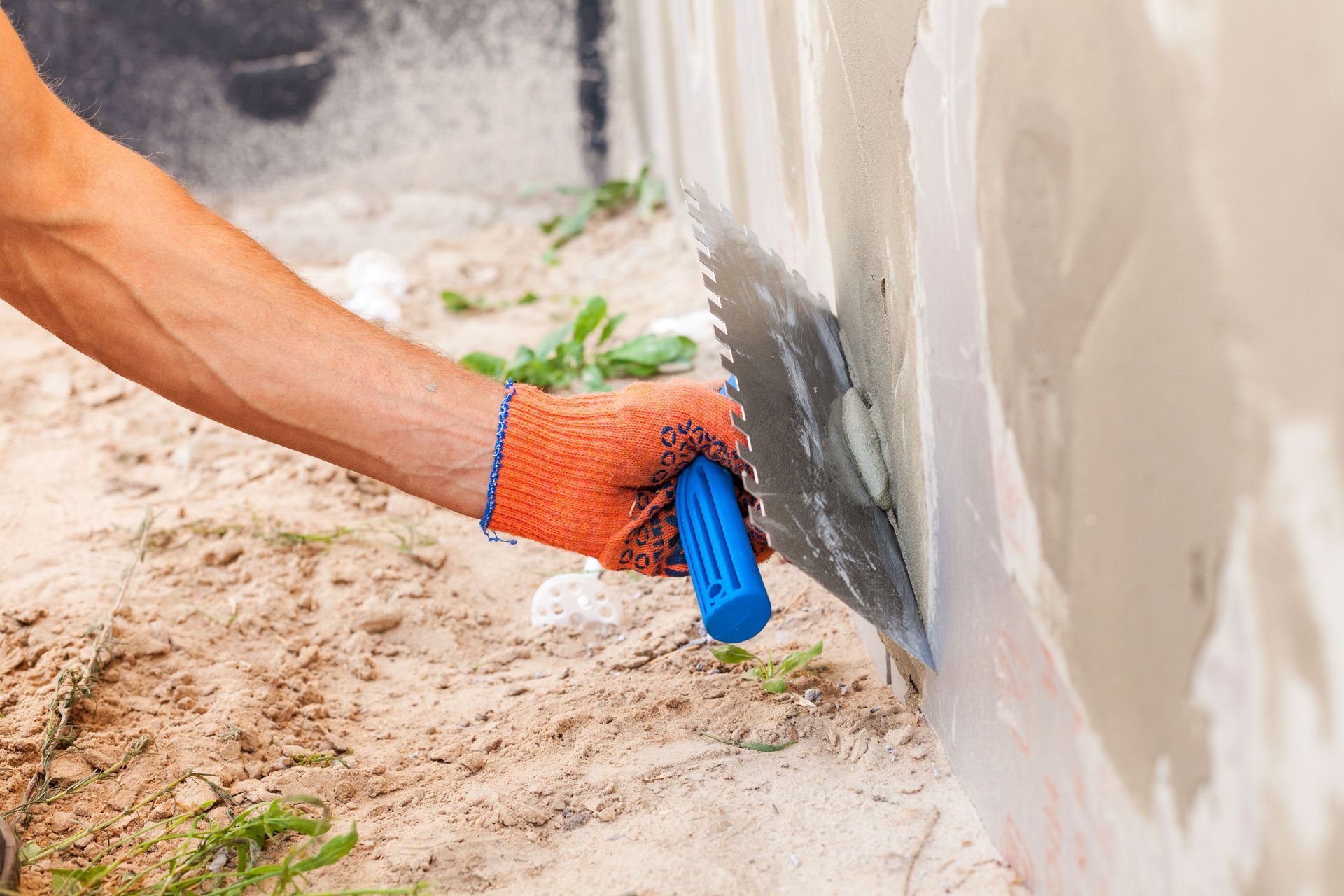
Exterior Insulation and Finish Systems consist of a multi-layered synthetic wall cladding integrating insulation with a customizable surface. This system incorporates a rigid foam board fastened to the sheathing, a synthetic base coat reinforced with fiberglass mesh, and a crack-resistant polymer finish coat. In contrast, traditional stucco is a plaster system composed of natural ingredients like Portland cement, sand, lime, and water. This classic mixture is applied in multiple heavy layers over wire lath, forming a dense, rock-like shell bonded directly to the outer framing.
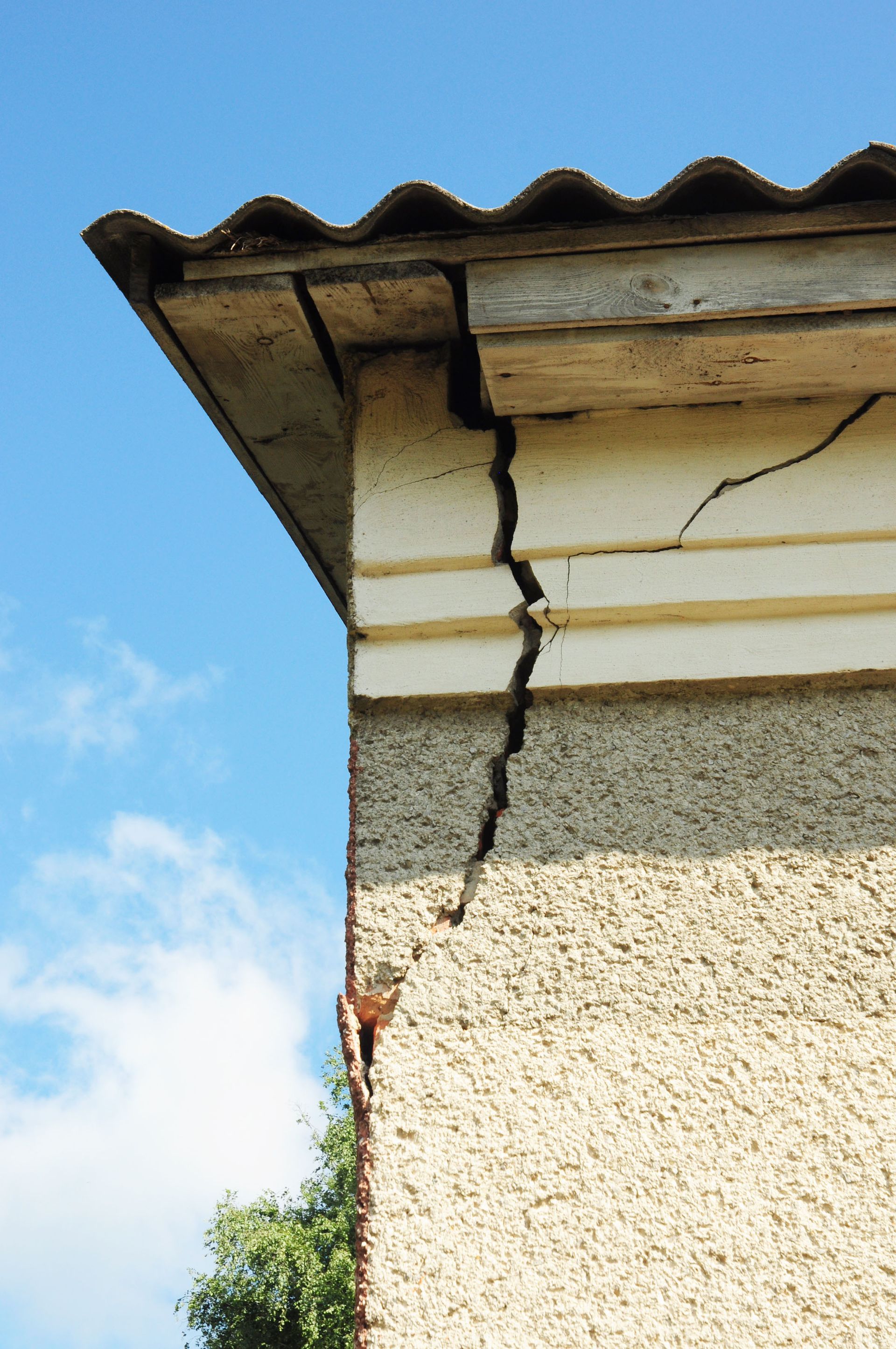
These foundational differences in composition lead to distinct physical properties regarding flexibility, temperature retention, and impact resistance. While synthetic materials give EIFS exceptional resistance to surface cracking from minor building shifts, traditional cement plaster offers a rigid, solid facade. Over extended periods of environmental exposure, both systems remain susceptible to weathering and surface deterioration. Property owners dealing with hairline fractures or deep structural cracks must invest in specialized stucco repair to preserve the building envelope, regardless of whether they utilize synthetic barriers or heavy cement shells.
Enhance Thermal Insulation and Building Energy Efficiency
The premier advantage of selecting a synthetic cladding system is its ability to insulate a building, lowering ongoing energy consumption. By wrapping the facade in continuous rigid foam boards, this multi-layered synthetic configuration effectively eliminates thermal bridging through the wall studs. This continuous insulation blanket keeps indoor temperatures stable, meaning heating and cooling systems work less to maintain comfort. As a consequence, property owners experience a drop in monthly utility expenses, transforming the exterior cladding into an active asset that saves money over its operational lifespan.
This focus on structural efficiency mirrors broader economic patterns favoring sustainable building designs that lower long-term carbon output. According to Allied Market Research, the global stucco market is projected to reach an impressive revenue of $15.3 billion by 2026, driven by a steady compound annual growth rate of 4.5%. This economic expansion emphasizes how modern building practices value high-performing envelopes that minimize heat transfer. Property owners find that optimizing thermal resistance protects adjacent architectural components, including masonry walls, by mitigating the temperature swings that cause cracks.
Maximize Visual Design Flexibility and Building Aesthetics
Synthetic wall cladding offers immense flexibility regarding architectural aesthetics, allowing property owners to achieve intricate designs, deep textures, and complex cornices. Because the underlying foam boards are easily shaped and sculpted, installers craft custom moldings, window surrounds, and geometric patterns without adding excessive weight to the foundation. The top coat can be mixed in numerous colors and textures, enabling the system to mimic premium building materials like cut stone or brick veneer. This adaptability allows commercial properties to reinforce brand identity while letting residential homes achieve sophisticated architectural details.
These versatile visual choices allow synthetic finishes to integrate with other external systems, including fiber cement siding, vinyl siding, or cedar siding installation projects. Property owners frequently select a mixed-material approach, deploying sturdy brick veneer along the ground level and a synthetic finish on upper stories to create architectural contrast. Maintaining this visual harmony requires immediate attention whenever physical damage or weathering disrupts the surface texture. Addressing surface breaches quickly through seamless stucco repair prevents minor aesthetic flaws from escalating into water intrusion that could compromise adjacent siding or rot the underlying wood framing.
Overcome Moisture Risks and Outer Wall Vulnerabilities
Managing water intrusion is a critical factor when evaluating synthetic cladding against classic cement plaster installations. Modern synthetic configurations feature advanced moisture management technologies, incorporating water-resistant barriers, specialized flashings, and drainage mats behind insulation boards to channel water safely away from the structure. Traditional cement plaster behaves differently, naturally absorbing moisture during heavy rainstorms and releasing it back into the atmosphere through evaporation when the sun emerges. Both systems rely on a perfectly executed drainage plane to protect structural sheathing from rot, mold, and severe drywall damage.
When installation errors occur or joint sealants degrade, moisture can become trapped behind the exterior barrier, causing hidden decay within the wall cavity. Trapped water can migrate inward, impacting nearby masonry structures, chimney foundations, or window framing assemblies before outward signs of damage become visible. In these critical scenarios, securing professional stucco repair becomes an immediate structural priority to halt active water migration and remediate damp insulation before rot compromises structural integrity. Regular inspections of high-risk areas ensure flashing failures are caught early, protecting property owners from catastrophic remediation expenses down the road.
Appreciate the Historic Longevity of Classic Cement Stucco
Traditional cement stucco is celebrated for its incredible resilience, with a historic track record that underscores its durability and lasting nature. Its time-tested composition of Portland cement, graded sand, and hydrated lime creates a robust material capable of withstanding diverse environmental conditions. When mixed and applied correctly by experienced craftsmen, this exterior finish can endure for many decades, serving as a sturdy anchor for various architectural styles. This reliability makes traditional plaster a dependable choice for individuals seeking a resilient shell that maintains structural value and protective qualities against physical impacts and heavy winds.
Beyond physical toughness, cement plaster provides an excellent barrier against fire hazards, increasing safety in both commercial and residential applications. The non-combustible nature of cement-based finishes offers peace of mind to property owners operating in high-density urban areas or fire-prone regions. To retain these protective qualities, the exterior surface must be monitored for hairline cracks caused by natural foundation settling. Promptly executing localized stucco repair seals these minor openings, preventing wind-driven rain from bypassing the outer shell and reaching vulnerable internal framing members or adjacent brick masonry elements.
Execute Professional Restoration and Maintenance Protocols
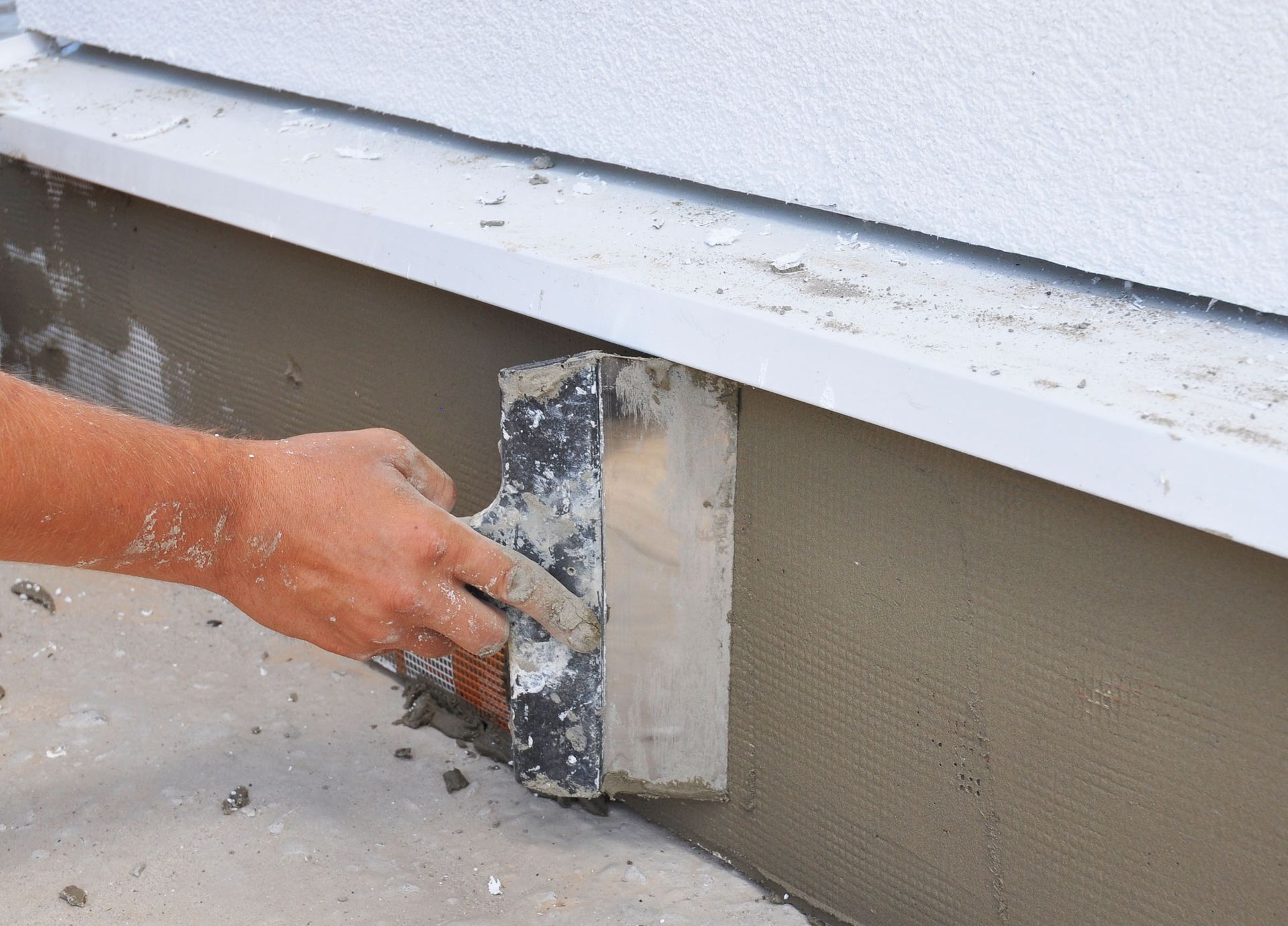
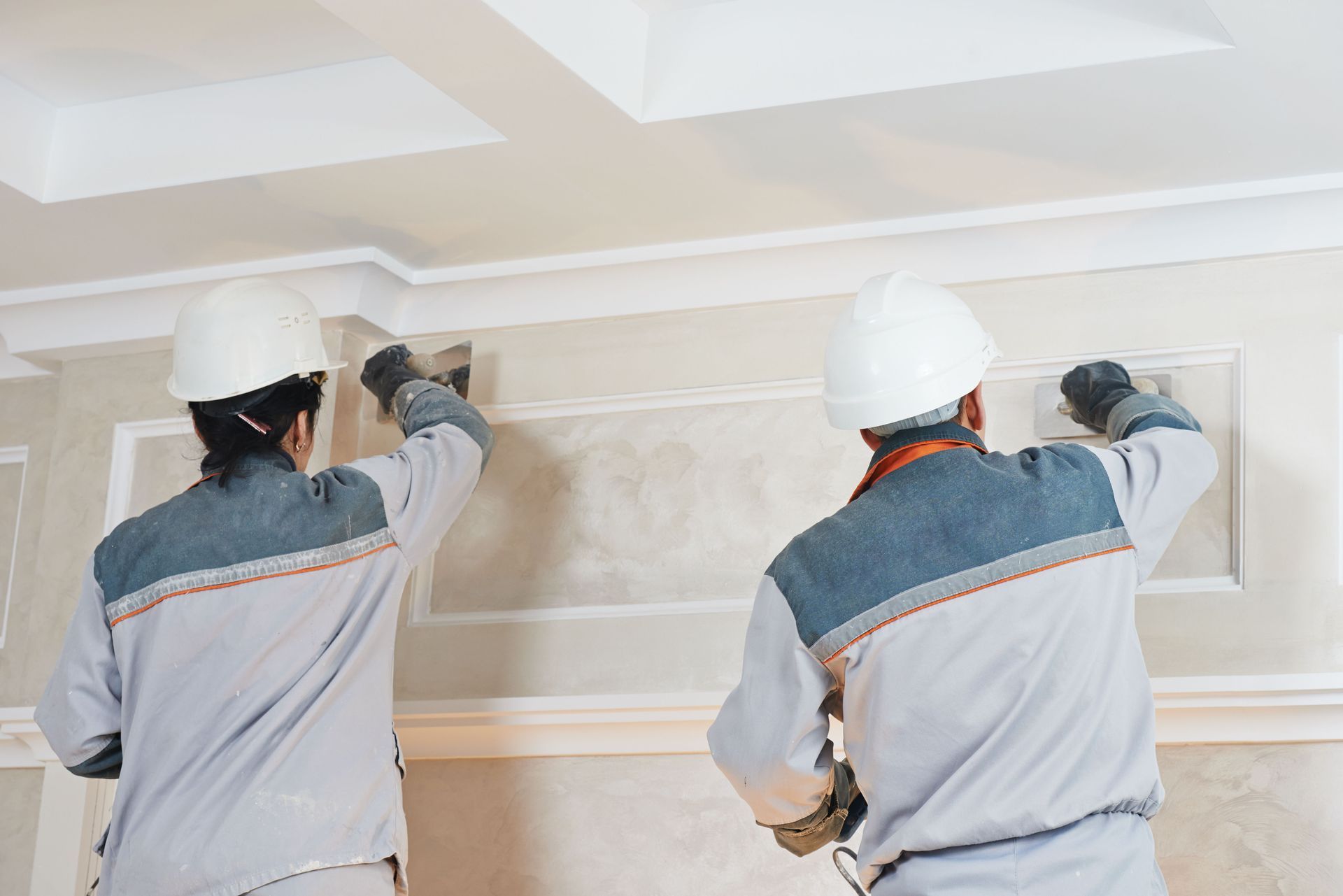
Maintaining the long-term integrity of an exterior wall system requires a clear understanding of specialized restoration techniques for both synthetic and natural claddings. Repairing an EIFS facade involves matching specific polymer texturing and patching underlying foam layers, a process demanding technical precision to re-establish the continuous thermal barrier. Conversely, traditional plaster restoration requires the meticulous application of individual scratch, brown, and finish coats to achieve a seamless blend with the existing wall. Both procedures demand experienced oversight to guarantee the repaired section matches the original color while performing flawlessly against future water exposure.
Property owners should avoid unverified do-it-yourself patching methods, as improper materials can create unsightly blemishes and trap moisture inside the wall cavity. Using incompatible caulking or low-grade patch kits often accelerates cracking, transforming minor blemishes into extensive systemic failures that require complete wall remediation. Trusting skilled experts for your long-term stucco repair needs guarantees that flashing details, expansion joints, and sealants are executed perfectly. Professional technicians possess diagnostic tools, like infrared cameras and moisture meters, required to trace leaks to their source, ensuring that every restoration addresses the underlying cause of damage.
Choosing between EIFS and traditional cement plaster requires a careful evaluation of insulation needs, aesthetic goals, and environmental conditions. Synthetic cladding provides superior energy efficiency and immense design flexibility, while traditional plaster delivers unmatched impact resistance and historic durability. Property owners must weigh these factors alongside complementary upgrades, like chimney restoration, masonry leak detection, or vinyl siding installation, to create a protected envelope. To safeguard your property and achieve a flawless, weather-resistant exterior, let us partner with you on your next renovation or comprehensive stucco repair project at Stucco Today & McNamara Masonry Restoration.